Essay
Growing Up Into Love
Paul says, "When I became a man, I put away childish things." But there's an intentional irony here, because what Paul means by "growing up" is becoming a person known by love.
Paul says, "When I became a man, I put away childish things." But there's an intentional irony here, because what Paul means by "growing up" is becoming a person known by love.
Week of Christ the King, Notes on Isaiah 2, 36–38 and 2 Kings 21–23
Week of Pentecost 25, Notes on Micah 6, Amos 2 and 5, Zechariah 7, and Isaiah 1
A letter to The Table Church after the midterms. The past two years have been hard on the world, hard on this country, and hard on Washington in particular. But there's some good in this world, and it's worth fighting for.
Crimes were committed. The Constitution was ignored. Over and over again, judges told the Trump administration that what it was doing was illegal. There must be consequences.
Week of All Saints', Notes on Psalm 72:1–14
A review of Sarah Stein Lubrano's Don't Talk About Politics — a book about how minds change through action, relationship, and infrastructure, and what that means for church, discipleship, and where I put my words.
The lectionary hands us the seven woes this week. Read next to a yard full of “convicted felon” bumper stickers and “Jesus is Lord” signs, they land on American white Christian nationalism.

Christians especially must ask ourselves: Are we following Jesus, or are we following Barabbas? Are we trusting in the way of the cross, or are we putting our faith in Caesar's sword?
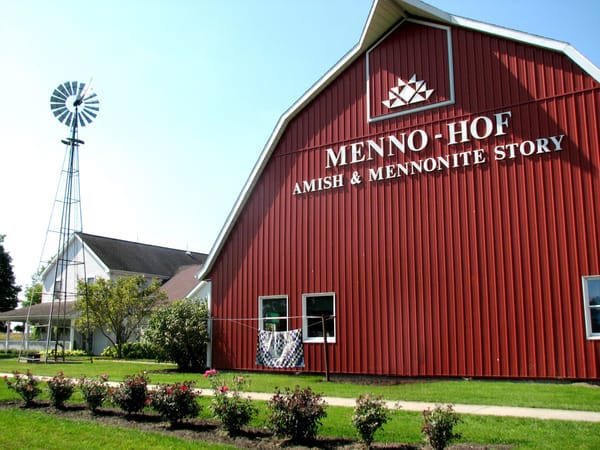
Lessons from the Radical Reformation
It seems that each day we discover a new thing to make us angry about partisan-politics. The more partisan we become, the harder it
But let me absolutely clear: if you believe that the U.S.’s current “zero tolerance” policy towards immigrants and asylum seekers is moral, ethical, and just, then you are rebelling against Jesus in at least three ways.